Bin Card Sample

• 1 • 2 • 3 • 4 • 5 • 6 • 7 • 8 • 9 • 10 • 11 • 12 • 13 • 14 • 15 • 16 • 17 Definition A simple definition of a warehouse is: ‘A warehouse is a planned space for the storage and handling of goods and material.’ () In general, warehouses are focal points for product and information flow between sources of supply and beneficiaries. However, in humanitarian supply chains, warehouses vary greatly in terms of their role and their characteristics.
Are you managing a store and need to implement BIN Card system and Stock BIN Cards? Download this BIN Card sample template and start improving your store process now!
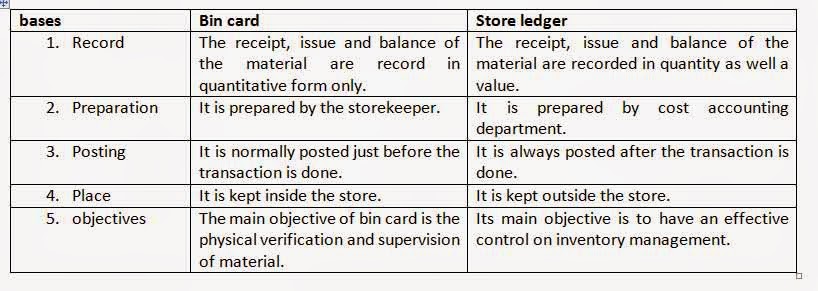
Bins & Bin cards Definitions Bins:-Bins are used for storage of material. Each Bin is assigned a reference number, known as Bin number and one bin is used to store. Are you managing a store and need to implement BIN Card system and Stock BIN Cards? Download this BIN Card sample template and.
Global Warehouses The global warehousing concept has gained popularity over the last decade as stock pre-positioning becomes one of the strategies for ensuring a timely response to emergencies. They are usually purpose built or purpose designed facilities operated by permanent staff that has been trained in all the skills necessary to run an efficient facility or utilising third party logistics (3PL) staff and facilities. For such operations, organisations use, information systems that are computer based, with sophisticated software to help in the planning and management of the warehouse.
The operating situation is relatively stable and management attention is focused on the efficient and cost effective running of the warehouse operation. Numerous organizations have centralized pre-positioning units strategically located globally. Some of these offer extended services to other humanitarian organizations on a cost plus operating charges basis. Field Warehouses Field Warehouses are usually temporary in nature. Simodrive 6sc6101 Pdf Download. They may be housed in a buildings which was not designed to be used as a warehouse, in a temporary building/structures, and are often in mobile units (rub halls, Wiikhalls) that are little more than a tent in a field. Download Soal Spa Polynesian Tattoo here. The initial staff may be a casual workforce that has never worked in a warehouse before and the inventory system is more likely to be paper based.
Often the situation is initially chaotic, sometimes dangerous and coupled with a humanitarian need which may be very urgent. The management style must therefore be practical and action oriented with a focus on making the humanitarian goods available as quickly and efficiently as possible, while being accountable at the same time.
Introduction To Security Operations And Management 4th Edition. Policies and Procedures Policies The policies contain hard and fast rules and regulations that define the general conduct of the warehouse operation. Examples of the types of policies that organisations will define are as follows: • organisational specific • health and safety • human resources management • security • pest control • warehouse maintenance and cleaning • quality control • record keeping and reporting • reverse logistics – Return of goods and exit strategy in the event of downscaling or shutting down operations • disposal of obsolete and damaged goods. Procedures The procedures' document defines step by step how the activities in the warehouse should be carried out and clearly defines the processes to be adopted.
These can be adopted as ‘best practice’. The procedures provide visibility of the operations for managers and donors. However, in creating such procedures, care must be taken to avoid constraining the use of local initiative which might be required to deal with local conditions.
Procedures should be considered as streamlining the business processes and providing checks and balances. They provide guidance to warehouse managers and must have some level of flexibility to cater to unique situations. This can be achieved by limiting the level of detail that the procedures document defines, allowing more flexibility and/or by arranging ‘dispensations’ to allow departure from the procedures in order to optimise local performance, especially in emergencies. The procedures will normally provide the step by step guidance on how to manage each aspect of warehousing and may cover: • receiving and issuing of supplies; • quality control or verification; • storage of goods; • how to control stock movement (stock control); • documentation flow; • how to detect and deal with stock losses; • how rejected material will be managed; and • how to deal with unwanted material, obsolete and scrap, disposal.