Cost Drivers Examples In Service Industry
What Is a Cost Driver? Nova Scotia Anglers Handbook more. Let's imagine that you have just opened a new business.
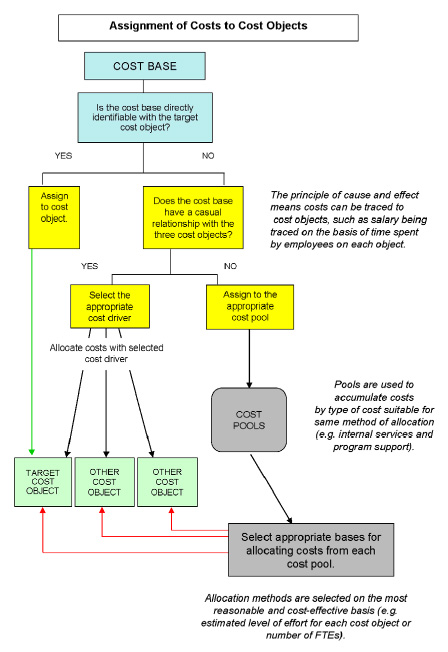
The current accounting literature is filled with activity based costing ABC~ articles about cost drivers in manufacturing settings but very few examples of cost. This means that costing in the service sector needs. It is likely to continue to become more prevalent in the service industry in the. Cost driver analysis in. Cost Allocation in a Service Industry. And loss statement where drivers or decisions levers are used. An example the common cost allocation related issues.
At your place of business, you sell various electronics ranging from computers to televisions to car stereos. Since electronics always seem to be in demand, you hope to have had great success with your new business. However, after about three months in business, you realize that the costs that you incurred are significantly higher than anticipated.
These costs have begun to cut into your profits, and it's time to figure out what's happening. You soon realize that a particular brand of car stereos have had an abundance of returns, because the volume button does not work well. It was at that time that you also realized that those returns have become a cost driver. Definition of Cost Driver So you may be wondering, what is meant by the term cost driver? Well, a cost driver is a unit of activity that causes a business to endure costs. So, your business was incurring costs via returns by customers. Therefore, the cost driver for your business was products returned by customers.
Examples of Cost Drivers Let's take a minute to look at some common costs drivers that affect businesses: • Direct labor: this is exactly what the name indicates - the employees needed to work for a business • Setting up equipment: Many businesses need machines in order to conduct business, often required to manufacture a product • Special instructions: Sometimes customers have specific demands about products. When this happens, a company incurs costs. • Handling and storage: if a company needs to store its products, it may have to pay for that storage. If a company has to pay employees or companies to handle products, like getting them ready to ship, there are also costs. • Components: A company may be incurring costs based on the components in the products it produces.