Robert Hooke Micrographia Pdf
Robert Hooke's Micrographia. Full-text (PDF) Micrographia ResearchGate, the professional network for scientists. Until recently Robert Hooke’s name. Hooke’s Micrographia of 1665 and 1667. Robert Hooke, Micrographia London, 1665. The Project Gutenberg eBook, Micrographia, by Robert Hooke This eBook is for the use of anyone anywhere at no cost and with almost no restrictions whatsoever.
Author by: R. Hooke Language: en Publisher by: Forgotten Books Format Available: PDF, ePub, Mobi Total Read: 11 Total Download: 733 File Size: 40,5 Mb Description: Excerpt from Extracts From Micrographia: Or Some Physiological Descriptions of Minute Bodies Made by Magnifying Glasses, With Observations and Inquiries Thereupon A just appreciation of the author's individuality, as well as of his intentions in publishing his Micrographia, can scarcely be obtained without perusing his preface, which contains a number of shrewd and enlightened ideas. The following pages contain the greater part of the preface to Micrographia, Observations VIII. In full, and a few shorter extracts. The old-fashioned spelling of the original has been retained. About the Publisher Forgotten Books publishes hundreds of thousands of rare and classic books.
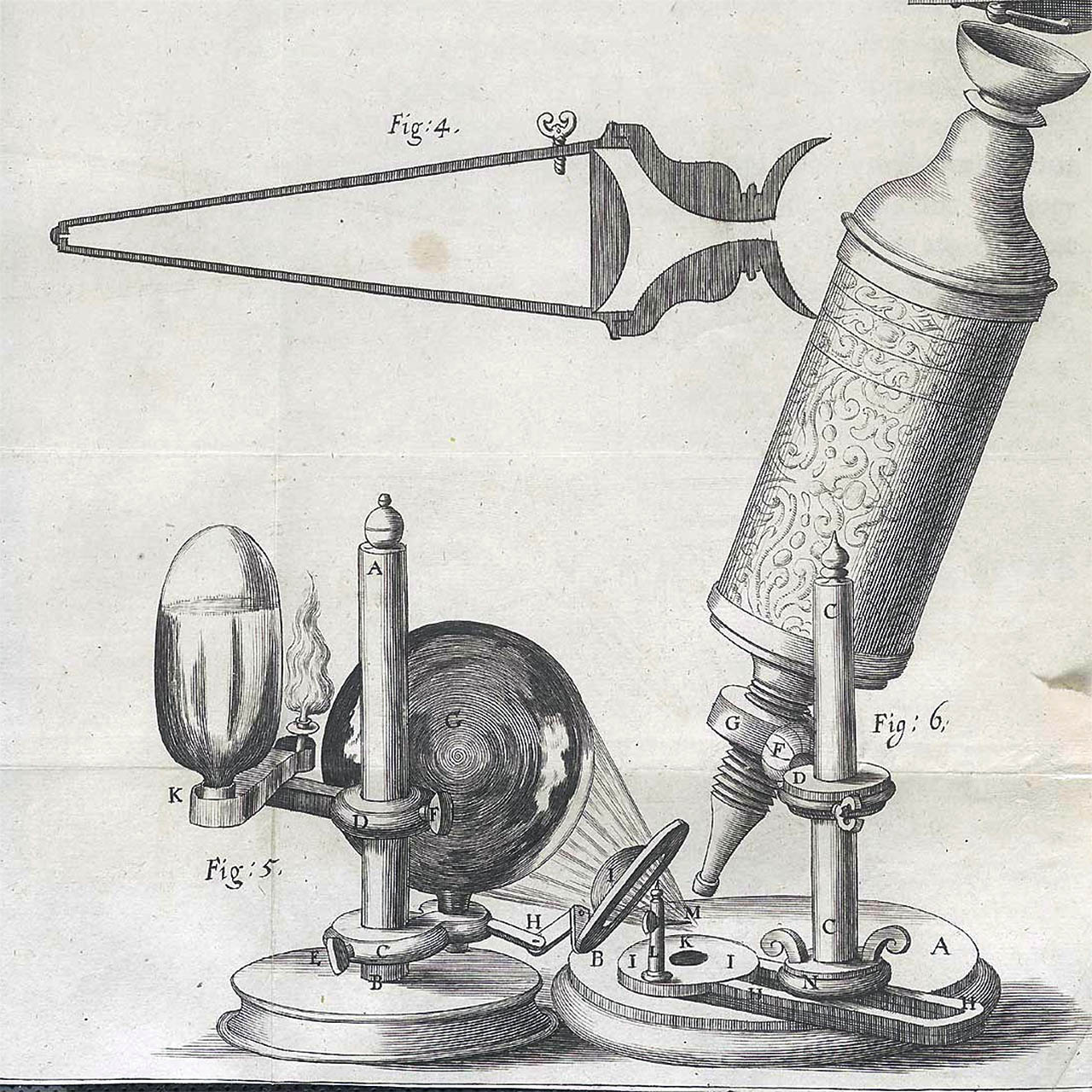
Find more at www.forgottenbooks. Dynaclave 613r Manual Muscle. com This book is a reproduction of an important historical work. Forgotten Books uses state-of-the-art technology to digitally reconstruct the work, preserving the original format whilst repairing imperfections present in the aged copy. In rare cases, an imperfection in the original, such as a blemish or missing page, may be replicated in our edition. We do, however, repair the vast majority of imperfections successfully; any imperfections that remain are intentionally left to preserve the state of such historical works. Author by: Robert Hook Language: en Publisher by: eKitap Projesi via PublishDrive Format Available: PDF, ePub, Mobi Total Read: 31 Total Download: 781 File Size: 55,9 Mb Description: Micrographia is a historic book by Robert Hooke, detailing the then thirty-year-old Hooke's observations through various lenses. Published in September 1665, the first major publication of the Royal Society, it was the first scientific best-seller, inspiring a wide public interest in the new science of microscopy.
It is also notable for coining the biological term cell. Observations: Hooke most famously describes a fly's eye and a plant cell (where he coined that term because plant cells, which are walled, reminded him of a monk's quarters). Known for its spectacular copperplate engravings of the miniature world, particularly its fold-out plates of insects, the text itself reinforces the tremendous power of the new microscope. The plates of insects fold out to be larger than the large folio itself, the engraving of the louse in particular folding out to four times the size of the book. The Dreamers Screenplay Pdf Download.
Game Maker 8 Enemy Airship. Although the book is best known for demonstrating the power of the microscope, Micrographia also describes distant planetary bodies, the wave theory of light, the organic origin of fossils, and various other philosophical and scientific interests of its author. Publication: Published under the aegis of The Royal Society, the popularity of the book helped further the society's image and mission of being 'the' scientifically progressive organization of London.
Micrographia also focused attention on the miniature world, capturing the public's imagination in a radically new way. This impact is illustrated by Samuel Pepys' reaction upon completing the tome: 'the most ingenious book that I ever read in my life.' Hooke also selected several objects of human origin; among these objects were the jagged edge of a honed razor and the point of a needle, seeming blunt under the microscope. His goal may well have been as a way to contrast the flawed products of mankind with the perfection of nature (and hence, in the spirit of the times, of biblical creation).
